Rising mortgage rates don't have to pause your home search
Rates just crossed 7% for the first time in over a year — and it's easy to feel like that's a sign to wait. It isn't. Here's what's actually happening, and the one conversation that turns "rates are up" into a real number you can plan around.
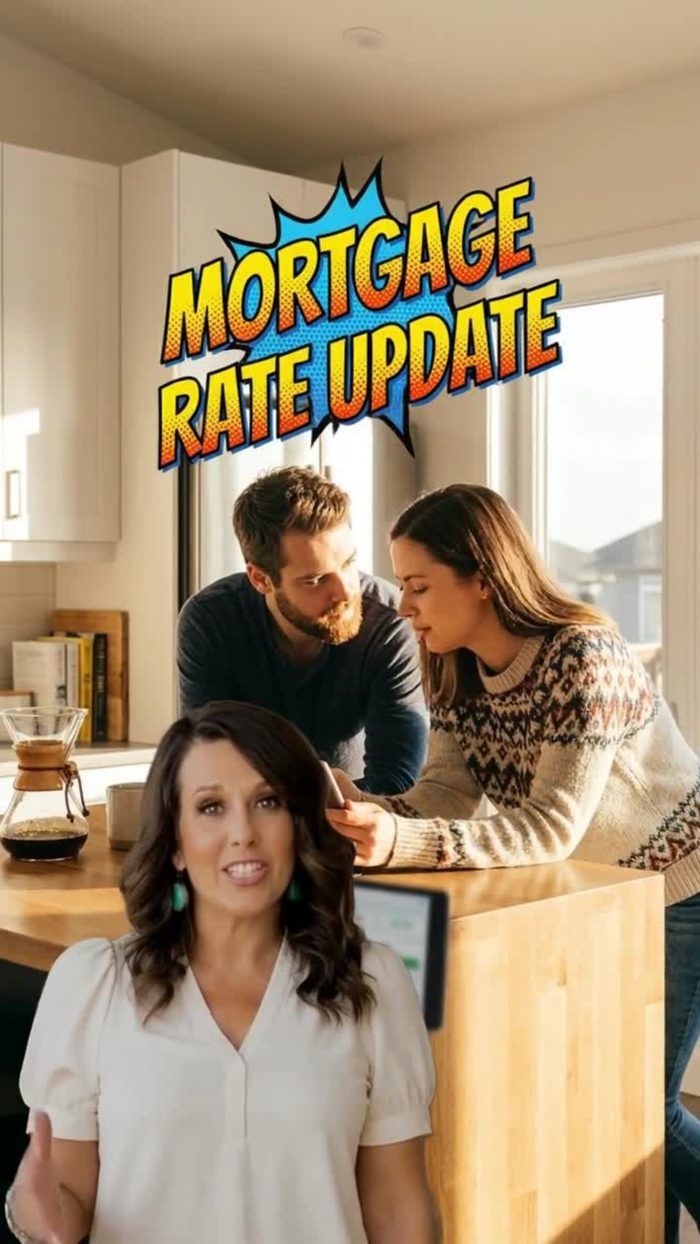
From Carlee's mortgage rate update — visit rafterhrealty.com
As of September 24, 2026, the average 30-year fixed mortgage rate hit 7.03% — up from 6.95% the week before, and a full 73 basis points higher than the 6.30% average from this time last year. It's the first time rates have topped 7% in more than a year, and headlines like that are exactly what make buyers second-guess a search that was going well.
Rates from the Freddie Mac Primary Mortgage Market Survey, September 24, 2026.
A rate headline isn't your monthly payment
It's a completely normal reaction to see "mortgage rates surpass 7%" and think about pumping the brakes. But a national average rate is just that — an average. What actually determines whether a home fits your life is your specific monthly payment on a specific loan, and that depends on a lot more than the headline number: your credit profile, your down payment, the loan type, and sometimes a builder or seller incentive that buys your rate down before you ever move in.
Many buyers who stay in the market through a rate shift do it by shifting the question. Instead of "should I wait for rates to drop," it becomes "what payment am I actually comfortable with, and what does that get me today." That's a question a rate table can't answer for you — but a lender can, in one conversation. (Curious about the cash side? Here's how much money you really need to buy in Mansfield.)
Before you decide to pause anything, talk to a qualified lender. A pre-approval conversation takes your real numbers — income, credit, down payment — and turns "rates are up" into an actual monthly payment and purchasing power figure. That's the number that should drive your decision, not the news cycle. If you don't have a lender you trust yet, I can connect you with a couple who consistently take good care of my clients.
How this changes what I do for you, not whether we keep going
Once we know your real comfort zone on a monthly payment, my job gets more precise, not harder. I use that number to filter what we tour so every showing is a property that actually fits your budget — instead of falling in love with something that only worked at last year's rate. If a rate buy-down, an adjustable structure, or a builder incentive makes sense for your situation, that's part of the conversation too. The goal is the same one it's always been: keep your search productive, and keep it moving toward a home you can afford comfortably, not just barely.
Rate questions I hear most right now
Should I wait for rates to come back down?
Nobody can time mortgage rates reliably, including the economists who study them for a living. If rates do drop, you can typically refinance later — but home prices and buyer competition can also rise while you wait, which can erase any savings from a lower rate. The more useful question is whether today's payment fits your budget, not whether a better rate might show up someday.
How much does a rate increase actually change my payment?
Less than the headline makes it feel, in most cases. On a $400,000 loan, moving from 6.30% to 7.03% adds roughly $190–$200 to the monthly principal-and-interest payment — real money, but often absorbable with a slightly larger down payment, a different loan term, or a builder/seller rate buy-down. Your lender can run your exact numbers in minutes.
What's a rate buy-down, and is it worth it?
A rate buy-down is when you, the builder, or the seller pays an upfront fee to lower your interest rate — either for the life of the loan or temporarily for the first year or two (a "2-1 buy-down"). Whether it's worth it depends on how long you plan to stay in the home and how the upfront cost compares to the monthly savings. It's a great question to bring straight to your lender, and I break it down more in this rate buydown guide.
Do I need to talk to a lender before I start touring homes?
You don't have to, but it makes every showing more useful. Once you have a pre-approval and a real monthly-payment number, we can skip the homes that don't fit and focus your time on the ones that do — which matters even more in a market where good listings don't sit long.
Let's find your comfort zone — then your home
Send me a quick message and I'll help you get connected with a lender, run through what your budget actually looks like at today's rates, and start narrowing down homes that fit.