Home / Midlothian TX / First-Time Home Buyer Guide
Buyer Guide · Midlothian, TX
First-Time Home Buyer Guide for Midlothian TX
Buying your first home in Midlothian starts with three decisions: the monthly payment you're comfortable with, what your lender says you can afford, and how much space you really want. Those answers help us narrow your search between a neighborhood home on a smaller lot, a preowned home on acreage, and new construction.
By Carlee Howard, Broker-Owner, Rafter H Realty LLC · Last updated: October 2026 · Read more about Carlee
$500K+Where I start the conversation for a preowned home on 1+ acre in good condition
About $600KMy starting expectation for new construction on 1+ acre
106Active Midlothian homes on an acre or more in MLS (late Oct 2026)
How I help first-time buyers in Midlothian
I'm Carlee Howard with Rafter H Realty LLC, based in Mansfield and helping buyers in Midlothian and the surrounding DFW communities. I help first-time buyers connect their home search with the financing, contract terms, and property details they need to understand before they buy.
A request I hear often from buyers looking in Midlothian is a home on at least an acre. Usually they want a bigger yard, more space between neighbors, and maybe room for a pool later. Here's how I help them work through that search, step by step.
What should I do before looking at homes in Midlothian?
Talk with a lender first so you can set a price range and a monthly payment you feel comfortable with.
I encourage buyers to discuss the interest rate they may qualify for, their down payment, closing costs, and how property taxes will be estimated. Your loan type affects the down payment requirement, so I leave those calculations and loan recommendations to your lender.
Questions to bring to that conversation:
- Which loan options fit my situation, and what do I need to qualify?
- How much will I need for the down payment and closing costs?
- What would my monthly payment be, including estimated taxes and insurance?
- How do the numbers change at different purchase prices?
Once we have a realistic range, we can focus on homes that truly fit it. If you're still deciding on timing, my thoughts on whether now is a good time to buy may help.
What budget should I expect for a home on an acre in Midlothian?
Based on the homes I've personally seen, I generally start the conversation around $500,000 or more for a preowned home on at least an acre that doesn't need a lot of repairs. For new construction on that much land, my starting expectation has been closer to $600,000.
To put that in context, as of late October 2026 there were about 106 active Midlothian listings on an acre or more, and the lowest-priced new construction home on an acre was listed just under $560,000. Listings change daily, so think of these as search expectations, not market averages or guaranteed prices.
Condition matters in that comparison. When I say a home is in good condition, I mean you're not taking on a lot of repairs or projects right away.
If acreage doesn't fit the budget, we can look at Midlothian neighborhood homes on smaller lots. Wanting more outdoor space doesn't mean an acre has to stay on the list at the expense of a comfortable payment. You'll find live Midlothian homes on 1+ acre at the bottom of this page.
How do I choose a lot with more privacy?
Look at the individual lot and the neighborhood layout, not just the acreage listed.
When I help buyers compare lots, I look at whether each one is an interior or corner lot, what it backs up to, and how the neighborhood is laid out. An acre tells us the size of the property. It doesn't tell us everything about how close the surrounding homes will feel.
If your goal is space between neighbors, tell me that specifically. If you'd like a pool someday, mention that early, too. Those details shape how we compare properties, rather than simply searching for the biggest yard.
You can explore my Midlothian new construction homes directory to see the communities listed on my website. From there, we can narrow the options around your budget and the lots available.
A tip from Carlee: Before you tour, write down why you want an acre. Privacy, a pool, a shop, room for kids to play? Knowing the "why" helps us find the right lot, and sometimes a well-placed smaller lot checks the same boxes for less money.
Should I ask for a lower price or help with closing costs?
I ask your lender to compare the numbers before we decide what to request.
Many buyers I work with want the lowest manageable monthly payment and a competitive interest rate. A price reduction is one thing I can negotiate. Closing cost assistance that may be used toward an interest rate buydown is another option worth discussing with your lender.
One comparison I ask lenders to run is putting more money down versus using money to buy down the rate. Your lender explains the financing choices, including whether assistance can be used that way for your loan and how the costs compare over time. I use that information to help shape what we ask the seller or builder to contribute.
How should I plan for property taxes?
Have your lender estimate taxes for your purchase rather than assuming the amount currently shown is what you'll pay.
For a preowned home, there's an existing tax history to review. I ask buyers to account for exemptions the current owner may have that may not apply to them. Your lender works through a better estimate. I can also look at another nearby home for context, although that isn't an exact calculation for the home you're buying.
With new construction, I want the lender to explain how the estimate accounts for the completed home and what could change later. Ask for a clear explanation of the payment you're budgeting for, including the tax assumptions behind it. Exemption eligibility is decided by the appraisal district, so confirm what applies to you. For a closer look at how taxes affect a monthly payment, see my guide to property taxes before buying.
What should I understand before signing a builder's contract?
Understand the deposit terms and what the contract requires if the appraisal comes in below the purchase price.
I ask the builder to send me the contract before my buyer signs. Then we go over it together so we can talk through the terms and list any questions that need answers.
Two areas I always bring up: whether the deposit is nonrefundable, and whether you'd need to bring additional cash if the home doesn't appraise for the contract price. I don't want buyers discovering those obligations after they've committed. The exact terms depend on your signed contract and loan, so read them carefully.
I've had a client run into an appraisal shortfall. I called the builder and asked whether they'd lower the price to the appraised value, and they agreed. That purchase was in another market, and it's an example of a request I made for a client, not a promise that every builder will agree or that a buyer can set aside signed terms. This is a big reason I believe you should have your own agent for new construction.
When should I schedule a new construction inspection?
I recommend aiming for three to four weeks before closing, depending on the home's readiness and the deadlines in your builder's contract.
My goal is to give the builder time to complete repairs. The inspection report needs to reach the builder before the initial walkthrough, according to the schedule in your contract. Waiting until the last minute makes that process harder.
The builder receives the report, and we review the repair items again at the final walkthrough with the builder before you sign to purchase the home. Curious what an inspector checks? Here's what's included in a home inspection, plus how the option period and inspections work in Texas.
What else should I check on a preowned acreage property?
Check the septic system's condition and identify the water source.
Those are two details I bring up whenever buyers consider a preowned home on acreage. I review the water source disclosed in MLS, including whether it's a well or co-op water, and recommend having the relevant systems inspected.
For septic maintenance after you move in, I recommend hiring a company to help care for the system. Ask that provider what maintenance and pumping schedule your specific system needs.
What if the homes we tour are missing a must-have feature?
Tell me about that feature early so it can help narrow the search.
I worked with a buyer who wanted a new home with a bathtub in the primary bathroom. We looked at many new construction homes across the Metroplex and had a hard time finding that feature. She ultimately chose a D.R. Horton home in Grand Prairie. It's a great reminder that details like a primary bathtub belong on your list from day one.
If you're open to nearby Waxahachie, I also have firsthand experience with Elmwood Custom Homes. My experience there has included building from the ground up with opportunities to make changes, and I've been pleased with their service. The lots I've seen were at least an acre, but privacy still depended on the neighborhood and the individual lot. Available changes and pricing vary, so we'd confirm the details for any home you consider. Browse my Waxahachie new construction homes to compare.
New construction or preowned for a first home?
Both can be a great fit. New construction offers fresh finishes and the chance to make selections, while a preowned home may come with an established lot and existing tax history to review. I walk through both side by side with my buyers. If you're weighing the two, read should I buy new construction or resale, or compare cities in Mansfield vs. Midlothian.
Other questions first-time buyers ask
Is the down payment the only money I need upfront?
No. I ask buyers to discuss both the down payment and closing costs with their lender, plus any builder deposit required by the contract. Your lender should explain the total amount needed and how any assistance affects it.
Will a builder pay my closing costs?
That's something we can ask about and negotiate. I don't assume an offer includes assistance until we know the terms, and I ask the lender to show how it affects your numbers.
Do I need an acre to buy in Midlothian?
No. I also help buyers explore neighborhood homes without acreage when that better fits their price range.
Can I use the seller's tax bill as my budget?
Use it as information for your lender to review, not as a guarantee. The lender needs to estimate taxes based on your purchase and the exemptions that apply to you.
Ready to start your Midlothian home search?
Send me your comfortable monthly payment, your lender's price range if you have one, and your must-have features. Let me know whether an acre is essential or if you're open to a smaller lot. We'll focus the search, compare preowned homes with new construction, and review the contract and inspection steps before you commit.
Call (214) 444-9427
Contact Carlee
Keep exploring
Midlothian New Construction
Every new home community in Midlothian, TX, with builders, pricing, and live listings.
See Midlothian communities
Mansfield vs. Midlothian
A side-by-side look at home prices, schools, commutes, and lifestyle.
Compare the cities
Do You Need a Realtor for New Construction?
Why having your own agent protects you when you buy from a builder.
Read the guide
Option Period and Inspections
How the Texas option period works and what to do during it.
Learn more
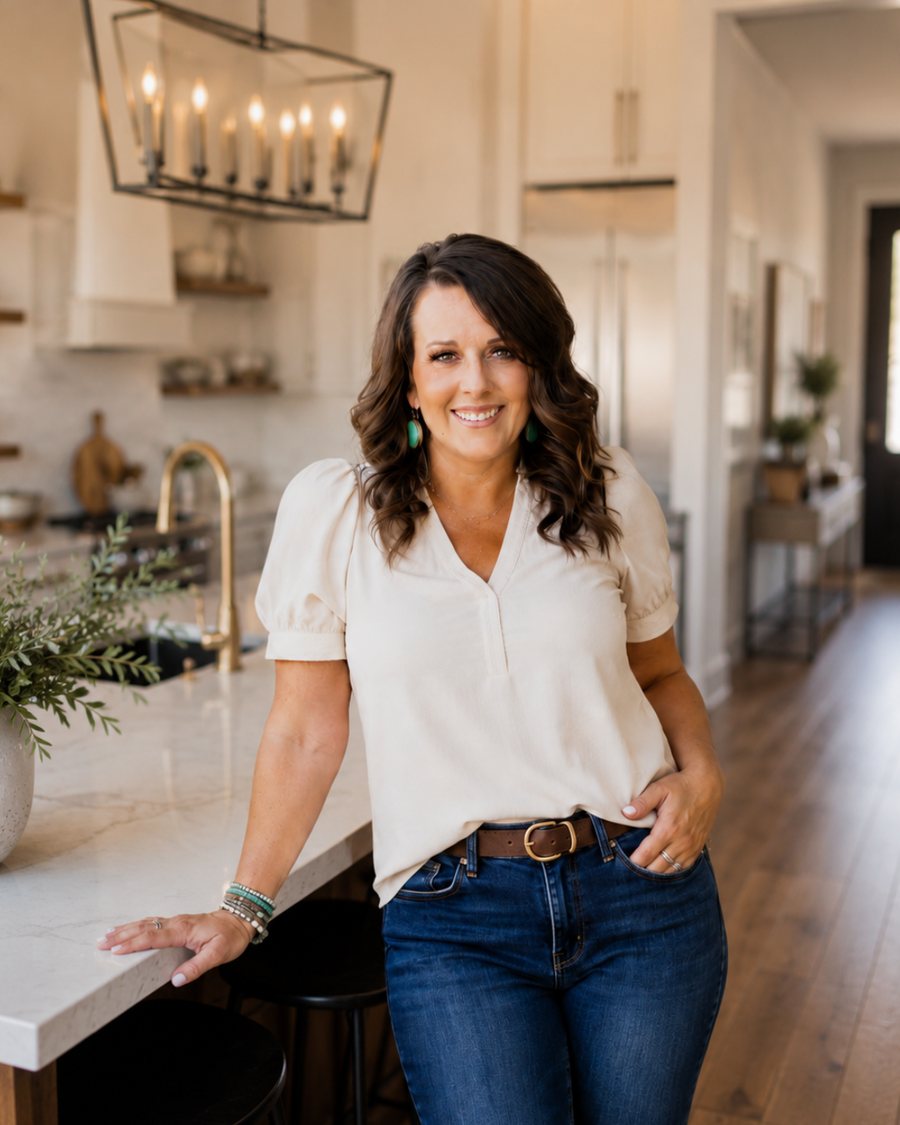
About Carlee
Carlee Howard
Broker-Owner, Rafter H Realty LLC · Mansfield, TX
Carlee is a top 1% DFW Realtor with more than 10 years of experience, selling 35 to 50 homes a year across Mansfield, Midlothian, Arlington, Fort Worth, Burleson, and Grand Prairie. She specializes in first-time buyers, home sellers, relocation clients, and new construction. Read more about Carlee
(214) 444-9427 · carlee.howard@rafterhrealty.com · rafterhrealty.com